The decision between a pocket kaleidoscope and a tabletop model comes down to one fundamental trade-off: portability versus optical performance. Both are legitimate choices, but they serve genuinely different purposes and deliver genuinely different experiences.
Understanding where those differences actually matter helps whether you are buying for yourself or choosing a gift.
The core difference
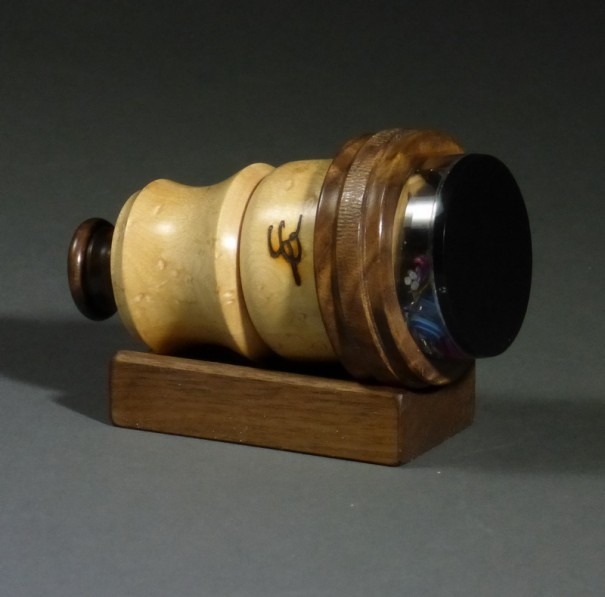
Handheld kaleidoscopes are tube designs that fit comfortably in the hand. The whole instrument rotates to change the image, or the object end turns independently depending on the design. They are easy to carry, easy to share, and available in a wide range of materials from turned wood and polished metal to glass.
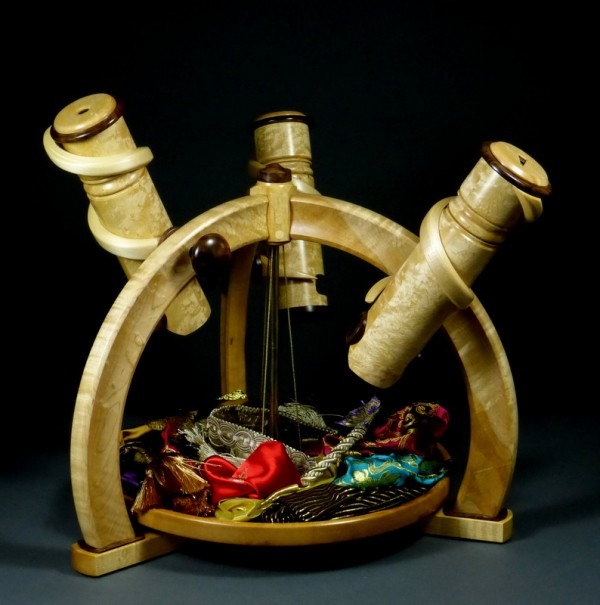
Tabletop or parlor kaleidoscopes sit on pedestal bases and are designed for seated viewing. The larger form factor allows for more sophisticated optical systems, more complex object chambers, and the kind of extended viewing sessions that handheld instruments are not really built for. You are not fighting hand fatigue, and the instrument can stay still while you look through it properly.
What size actually affects
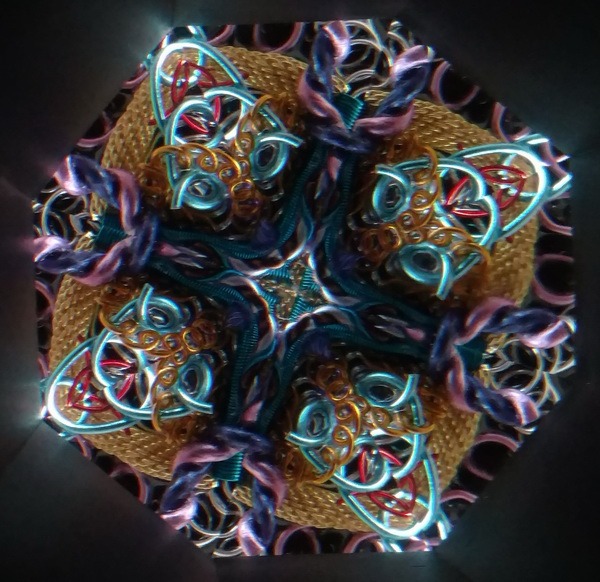
The length of the tube determines how complex the mirror system can be, and mirror system complexity directly affects what you see. Pocket kaleidoscopes typically use simple mirror systems that produce the classic star patterns. Tabletop instruments can accommodate more intricate mirror systems, which produce surprising patterns with considerably more visual depth and intricacy.
Object chamber size matters too. Smaller chambers mean fewer objects, less variety in how they move and interact, and a more limited range of patterns. A larger chamber gives the artist more to work with and gives the viewer more to discover.
At the far end of the portability spectrum are jewelry kaleidoscopes — pieces worn as necklaces, rings, or pins with tiny optical systems built in. These require exceptional craftsmanship to work at all, and they function primarily as wearable art. The viewing experience is genuinely limited by scale, but as objects they are in a category of their own.
Mirror quality is what separates toy-grade from art-grade
The most important quality difference in any kaleidoscope is the mirrors. Toy-grade instruments use polished metal mirrors that produce distorted reflections and lose clarity over time as they scratch and oxidize. Art-grade instruments use precision glass mirrors with high-quality reflective coatings.
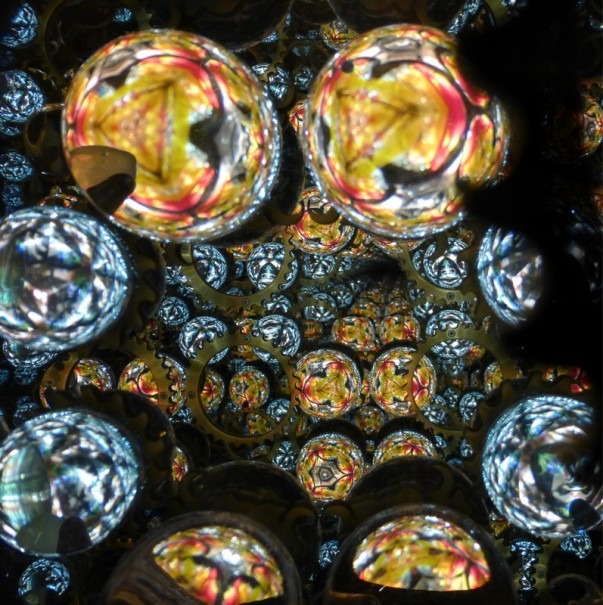
The best tabletop instruments use first-surface mirrors, where the reflective coating is applied directly to the front of the glass rather than behind it. Standard mirrors produce a faint double reflection as light passes through the glass layer before hitting the coating. First-surface mirrors eliminate that entirely, resulting in images that are noticeably brighter, sharper, and more vibrant. The technology was originally developed for space telescopes, which gives you a sense of the precision involved.
Object chamber types and what they do
The object chamber is where the visual experience actually comes from, and there are several distinct approaches. Wheel systems use rotating discs that turn in front of the mirror arrangement. Some have fixed patterns, while some have loose objects that shift as the wheel turns. They give the viewer more control over how patterns change.
Cell kaleidoscopes enclose loose objects in chambers that move organically. Liquid-filled cells produce slow, flowing motion that is well suited to relaxed or meditative viewing. Dry cells shift quickly and then hold still until the next movement, which suits viewers who like to study a pattern before moving on.
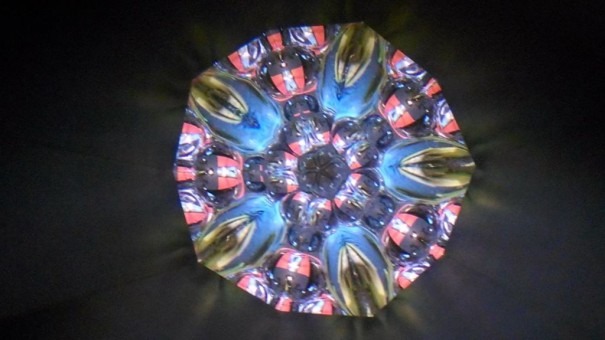
Marble kaleidoscopes suspend a single artist-made marble at the mirror end. The internal structures, colors, and patterns of the marble become the source material, and a well-chosen marble through a good mirror system can produce some of the most striking images in the whole medium. Wand kaleidoscopes use sealed tubes filled with floating objects in liquid, mounted perpendicular to the mirrors. The three-dimensional movement creates patterns that flat wheel or cell systems simply cannot replicate.
Choosing one for yourself
If portability is what you need (for travel, sharing with children, viewing in different locations) a well-made pocket kaleidoscope is the right answer. Look for quality materials and a smooth mechanism, and do not expect the same optical depth you would get from a tabletop instrument.
If what you want is the best possible viewing experience, a tabletop model with first-surface mirrors and a quality object chamber is worth the investment. These are instruments designed for focused, unhurried viewing, and they reward the attention you give them. Many serious collectors end up with both, using each for what it does best.
Choosing one as a gift
A pocket kaleidoscope is the more accessible gift choice. It’s easier to wrap, easier to transport, appropriate for a wider age range, and immediately enjoyable without any setup. For children, casual gifting, or occasions where practicality matters, it is usually the right call.
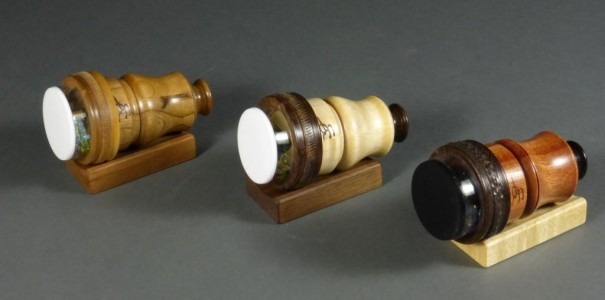
A tabletop kaleidoscope is a more considered gift for someone who will appreciate it properly. It makes a strong impression as a display object even before anyone looks through it, and the viewing experience justifies the weight it carries as a milestone or collector’s gift. The craftsmanship tends to be visible in ways that matter to people who care about such things.
Either way, a well-made kaleidoscope is one of those rare gifts that does not become irrelevant over time. The experience it provides does not depend on technology, trends, or novelty. It just depends on light and a set of mirrors, which has been enough to hold people’s attention for over two centuries.
Take a look at the Etsy store to see examples of both styles in Steve Gray’s work.