Finding a genuinely good gift for an adult who has most things they need is harder than it sounds. The usual options – something consumable, something decorative, something that gets used once and forgotten… feel like settling. A handcrafted kaleidoscope is a different kind of answer.
It is functional, it is beautiful, it tends to surprise people who have not looked through a quality one since childhood, and the best examples hold their value in ways that most gifts do not. Here is what makes one worth giving.
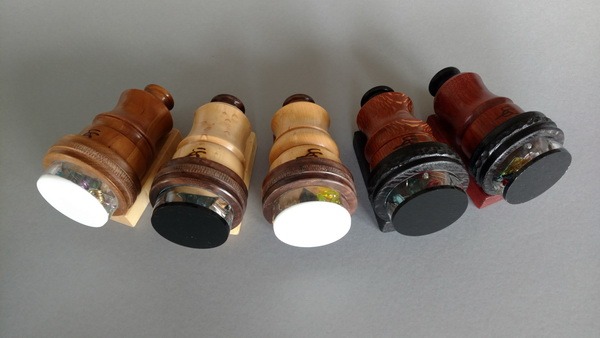
Materials make all the difference
The exterior of a handcrafted kaleidoscope is as much a part of the object as the optics inside. Exotic hardwoods like ebony, padauk, and teak bring rich grain patterns and natural warmth that age well and feel genuinely substantial in the hand. Walnut and maple offer a more classic look with warm tones that suit traditionalists. Because no two pieces of wood are identical, no two wooden kaleidoscopes look exactly alike even when made to the same design.
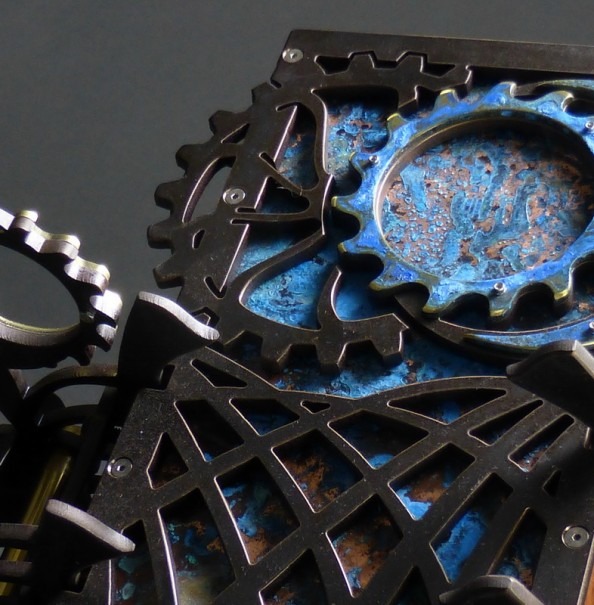
Brass has its own appeal. The weight of a well-made brass kaleidoscope carries a sense of quality that cheaper materials cannot fake. Unlacquered brass develops a patina over time that many people find adds character rather than diminishing it. Mixed metal designs that combine brass with copper or steel elements allow for more visual complexity on the exterior.
Stained glass kaleidoscopes sit in their own category. The colored glass interacts with light in ways that create particularly vibrant internal patterns, and a well-made stained glass piece functions as a decorative object even when nobody is looking through it. Contemporary makers also experiment with mixed media approaches that incorporate found objects and unconventional materials, producing pieces that work on both a visual and conceptual level.
What it actually does for the person using it
A quality kaleidoscope is a meditation tool as much as it is an art object. The focused attention required to follow the shifting patterns tends to quiet mental noise in a way that is surprisingly effective and does not require any practice or technique. A lot of adults who pick one up for the first time in years are caught off guard by how quickly it settles the mind.
That makes it a particularly thoughtful gift for anyone in a high-stress profession or going through a demanding period. It is not a gimmick. There is genuine therapeutic value in this kind of visual engagement, and unlike most stress-relief products it does not feel clinical or self-consciously wellness-oriented.
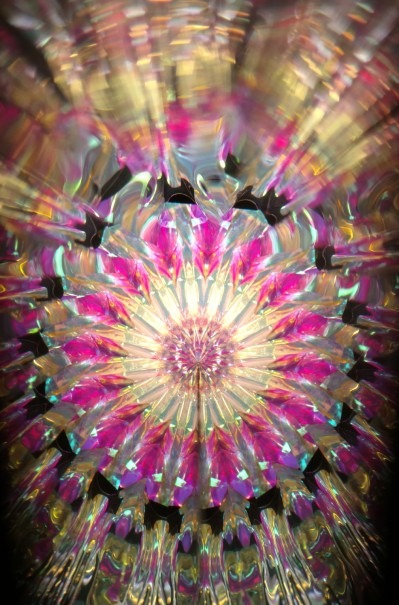
For children the appeal is more immediate. The patterns are endlessly interesting, the cause and effect of movement and image is intuitive, and it introduces concepts of symmetry and light in a way that no worksheet can match. A good kaleidoscope tends to hold a child’s attention in a way that is increasingly rare.
When to give one
Milestone occasions are a natural fit. Graduations, retirements, significant anniversaries… these are moments that call for something that will last and that carries some meaning beyond the price tag. A handcrafted kaleidoscope can be engraved to commemorate a specific date or message, which moves it firmly into keepsake territory.
Weddings are worth a specific mention. There is something fitting about an object where separate elements combine to create something unified and beautiful. Collectors and recipients who know that symbolism tend to appreciate it. Many couples end up displaying their kaleidoscope as a conversation piece rather than putting it away.
For corporate gifting, a handcrafted kaleidoscope strikes a balance that is hard to find. It is sophisticated enough to feel considered, distinctive enough to stand out from the usual executive gift options, and the meditative quality makes it genuinely useful rather than purely decorative. It does not feel overly personal in the way some gifts can, but it also does not feel generic.
For the collector
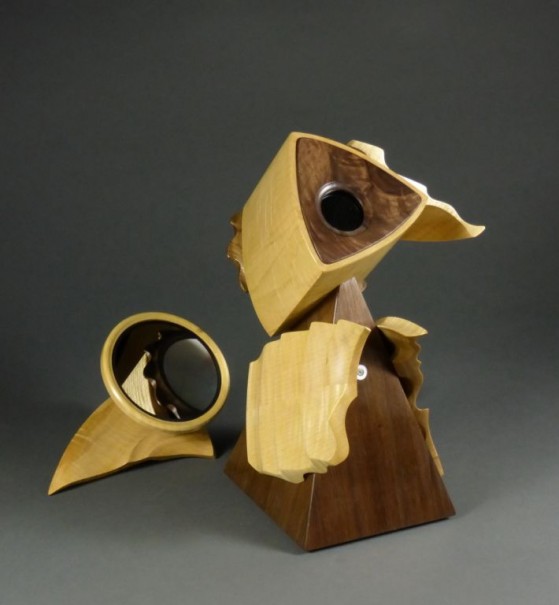
Serious collectors treat quality kaleidoscopes as legitimate art investments, and the market supports that approach. Limited edition pieces by recognized artists appreciate over time, and the relatively small community of skilled makers keeps supply genuinely scarce. The compact size makes them easier to display and store than most art forms, and the fact that they are functional rather than static means they get used rather than just looked at.
The concept of Kaleidosculptures, (pieces that blur the line between optical instrument and sculpture) reflects how far the form has evolved since Brewster’s original 1816 patent. What started as a scientific device for studying light refraction has become a recognized art medium with its own exhibitions, collector societies, and dedicated galleries. Contemporary makers honor that history while pushing the form further than Brewster could have imagined.
What to look for
The clearest indicator of quality is the viewing experience itself. A well-made kaleidoscope produces patterns that are sharp, fully symmetrical right to the edges, and genuinely beautiful rather than merely interesting. If the image is blurry, asymmetrical, or dim, something in the construction is off: the mirror quality, the alignment, or both.
Beyond the optics, pay attention to the exterior finish and the smoothness of the rotation. These details reflect the care that went into the whole instrument. A kaleidoscope that feels well-made in the hand usually is, and one that feels cheap usually produces a viewing experience to match.
Take a look at the gallery to see examples of what careful material selection and precise construction actually look like in Steve Gray’s work.