One antique kaleidoscope sold for close to $75,000 at auction. That is not the kind of number that comes up in conversations about novelty items. It is the kind of number that tells you something is going on in this market that most people are not paying attention to.
The kaleidoscope collecting world is smaller and more serious than most people realize. For the right pieces, from the right makers, the value can be substantial. Understanding what separates a genuine collectible from a decorative curiosity comes down to a handful of factors that experienced collectors evaluate pretty consistently.
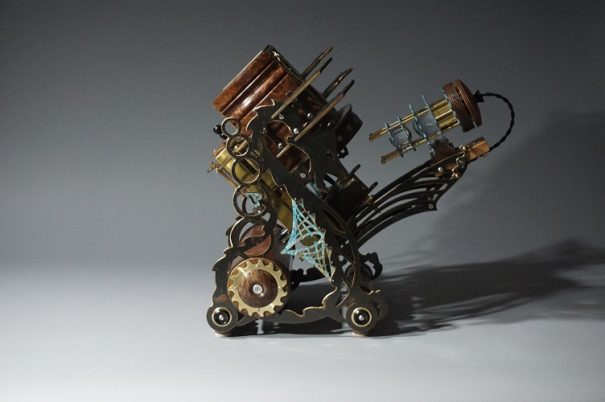
Why kaleidoscopes attract serious collectors at all
The short answer is that a well-made kaleidoscope sits at an unusual intersection. It is a functional optical instrument and a work of visual art at the same time, which puts it in a category closer to scientific antiques or art glass than to anything you would find in a gift shop.
Unlike a painting or a sculpture, a kaleidoscope produces a different image every time you interact with it. The mirrors and the object chamber generate patterns that are never exactly repeated. That combination of optical engineering and aesthetic experience is genuinely hard to find in other collectible categories, and it appeals to a specific kind of collector who values both craft and function.
The broader art and collectibles market has grown steadily over the past decade, with global art sales exceeding $65 billion in recent years according to the Art Basel and UBS Art Market Report. Within that environment, objects that combine technical design with craftsmanship have found a consistent audience. Kaleidoscopes fit that profile well.
What makes a kaleidoscope hold value
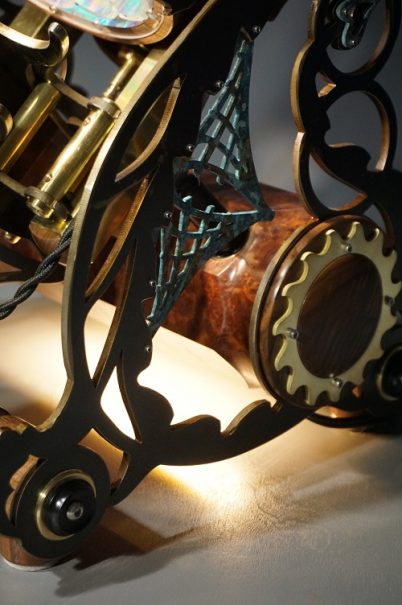
The same factors that drive value in most collectible categories apply here: craftsmanship, rarity, maker reputation, and condition. A high-quality kaleidoscope requires precise mirror alignment, durable materials, and a thoughtfully designed object chamber. Getting all of that right takes real skill, which limits who can produce work worth collecting.
Provenance matters too. A piece with clear documentation, original components, and a traceable history is worth considerably more than an identical piece without that paper trail. This is true for antiques and, increasingly, for contemporary work as well.
Antique kaleidoscopes: The rarity premium
Nineteenth-century kaleidoscopes are among the most desirable pieces in the collector market. Many were originally produced by jewelers or scientific instrument makers who brought genuine precision craft to their construction. The ones that survive in good condition are not common.
Well-documented examples from this period regularly sell for several hundred dollars at a minimum, with rare or exceptional pieces reaching much higher when strong provenance is attached. The factors that push prices up are consistent: original cases, maker’s marks, intact optical components, and preserved exterior materials.
Maker attribution is a significant driver of value in the antique segment. Instruments tied to recognized workshops or known optical specialists attract considerably more attention than anonymous pieces of similar age and condition. When that attribution can be confirmed through markings or documentation, it strengthens both authenticity and historical significance in ways that collectors are willing to pay for.
Modern and contemporary kaleidoscopes: A different kind of value
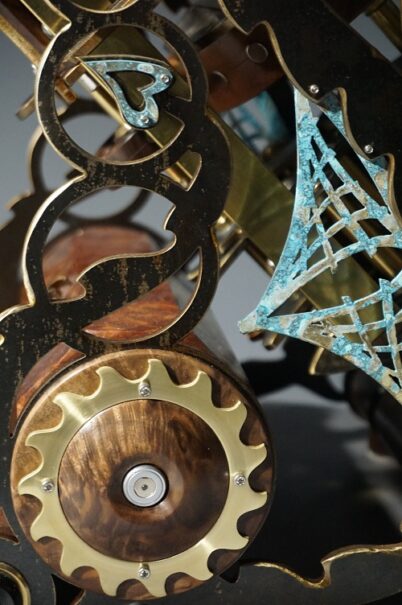
Interest in kaleidoscopes as a serious art form really picked up in the twentieth century, partly driven by improvements in optical materials. The introduction of first-surface mirrors was a meaningful development — it improved image clarity significantly and opened up more complex design possibilities. That shift helped move kaleidoscopes from novelty status toward something that galleries and serious collectors started paying attention to.
Contemporary kaleidoscope artists continue to push the medium further. The best work today incorporates hand-blown glass, polished metals, and innovative object chamber designs that produce genuinely distinctive visual experiences. What drives collector value in this segment is artist reputation, quality of construction, and the visual experience the piece delivers.
Steve Gray’s work sits in this contemporary category. His approach to combining precision woodworking with lampwork and dichroic glass produces pieces that are immediately recognizable to collectors familiar with his work. That kind of signature style, developed over years of practice, is one of the things that builds lasting value in the collector market.
The factors that matter most when evaluating a piece
Experienced collectors tend to evaluate kaleidoscopes against a consistent set of criteria. Condition is the starting point — optical components need to be intact, mirrors properly aligned, and the object chamber functioning as intended. Damage to any of those elements reduces both the experience and the value.
Beyond condition, the key factors are rarity, maker reputation, provenance documentation, and the quality of the interior visual experience. That last one is easy to overlook when thinking about investment value, but it matters. A kaleidoscope that produces a genuinely exceptional viewing experience commands more attention from serious collectors than one that is merely well-constructed but visually uninteresting.
Limited production numbers also influence value, both for antiques and for contemporary work. Some contemporary artists produce limited editions deliberately, which creates a similar scarcity dynamic to what age naturally provides for nineteenth-century pieces.
How the market is structured
Kaleidoscope collecting spans a wide range of price points. At the entry level you find decorative and vintage examples valued primarily for visual appeal. The middle segment includes pieces with stronger craftsmanship or limited production history. At the top of the market are museum-quality works – pieces that combine exceptional materials, documented provenance, and recognized maker attribution.
Most collectors build across these segments over time, starting with accessible pieces and gradually developing the knowledge and focus to pursue rarer examples. Some specialize: in antique scientific instruments, in contemporary optical art, or in the work of a particular artist. That kind of focused approach tends to produce more coherent and valuable collections than broad accumulation.
Preserving what you have
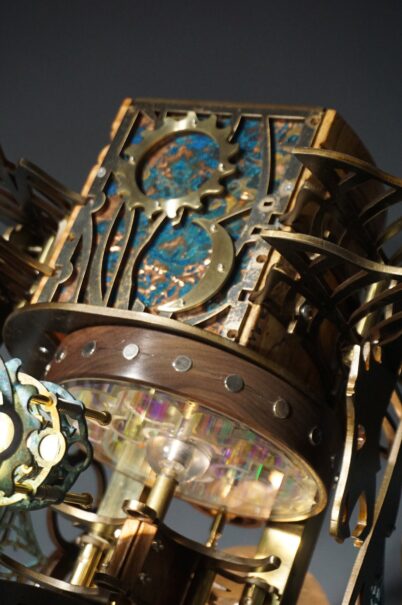
Preservation is worth thinking about seriously, because environmental factors can affect both optical components and decorative materials in ways that are difficult to reverse. Sunlight, humidity, and temperature fluctuations are the main concerns. Many serious collectors store valuable pieces in controlled environments with protective display cases and stable conditions.
For antiques, any restoration work should be documented carefully. Future collectors will want to know what has been done to a piece and when, and undocumented restoration can complicate both provenance and pricing. Regular inspection also helps. Catching minor issues early is considerably easier than addressing deterioration that has been left to develop.
The longer view
Kaleidoscope collecting follows the same patterns as most serious collectible markets. The collectors who do well tend to be patient, research-driven, and selective rather than acquisitive. They develop genuine knowledge of the field before pursuing significant pieces, and they build collections that reflect a coherent point of view rather than an accumulation of whatever was available.
What makes this particular category interesting is the combination of optical science, craftsmanship, and visual art in a single object. That is genuinely unusual in the collectibles world. A kaleidoscope is art you use to see rather than art you simply look at. For the right collector, that distinction matters quite a lot.
Take a look at where Steve Gray’s work sits within that tradition.