There is a decision every serious collector eventually has to make: do you display a kaleidoscope as something to be picked up and used, or do you mount it and let it stand on its own as an object?
It sounds straightforward, but the choice has more implications than it seems. It affects how people interact with the piece, how well it holds up over time, and what story the display tells about the instrument itself. Neither approach is wrong. They just serve different purposes.
A bit of history that is still relevant
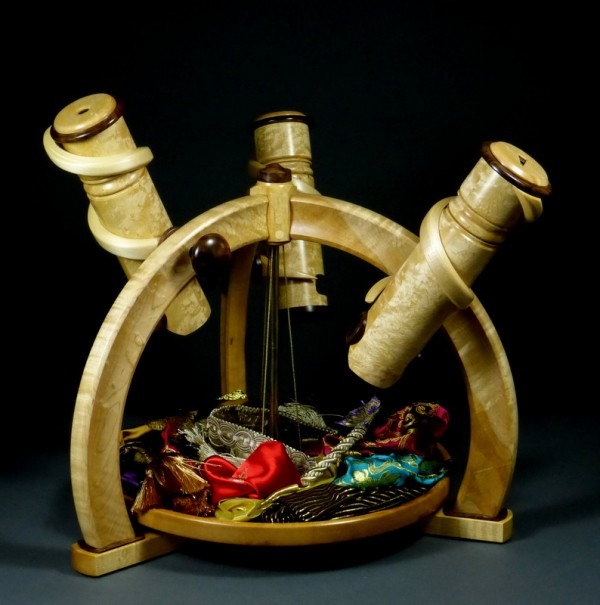
Kaleidoscopes have been displayed both ways for almost as long as they have existed. In Victorian parlor culture, stand-mounted instruments were status symbols. They were large, elegant, and positioned to be admired as much as used. They signaled taste and wealth in the same way that a fine clock or a scientific instrument would. The elevated presentation was deliberate: it said this is serious, not a toy.
The kaleidoscope renaissance that began in the late 1970s and picked up speed through the 1980s brought that sensibility back. American artists started creating instruments that were genuinely worth displaying seriously: juried exhibitions, dedicated gallery spaces, collectors building focused collections. That revival is what created the contemporary market Steve Gray works in today.
The case for handheld display
Handheld kaleidoscopes preserve the experience the instrument was designed for. You hold it, you rotate it, you control the pace of what you see. That direct interaction between viewer and object is part of what makes a good kaleidoscope worth collecting in the first place, and a display approach that keeps the piece accessible honors that.
There is also a practical argument. Handheld pieces are portable, which matters for collectors who attend society events and exhibitions. They take up less space, which allows for more variety within a collection. And many contemporary pieces are designed with accompanying stands anyway, so you get both options. The piece sits on display when you are not using it and comes off the stand when you want to look through it.
That dual functionality is worth thinking about when evaluating a piece. A kaleidoscope that works as both an interactive instrument and a decorative object gives you more flexibility in how you build and display a collection.
The case for stand-mounted display
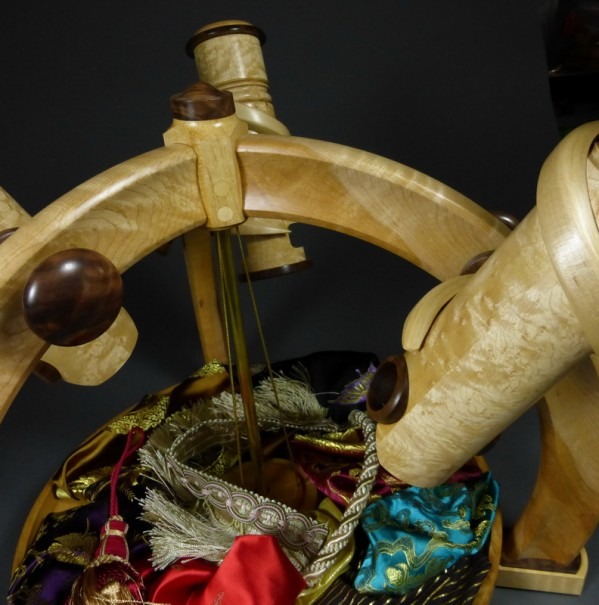
Stand-mounted display is the better choice when preservation is the priority. Fixed positioning eliminates handling risk, which matters considerably for valuable or historically significant pieces. You are not worrying about drops, fingerprints on optical surfaces, or the wear that comes from regular handling. The instrument stays in the condition it was acquired in.
Good mounting systems can also include integrated lighting that brings out the exterior craftsmanship without generating damaging heat, and protective cases that guard against UV exposure and temperature fluctuations. For liquid-filled kaleidoscopes in particular, temperature stability is important. Fluctuations can stress the cell seals over time.
Stand mounting also changes how a piece is perceived by anyone looking at it. A kaleidoscope on an elegant stand reads as art. It commands attention differently than the same instrument sitting in a case or on a shelf. For gallery presentations and formal collections, that framing matters.
Rotating display stands take this further. A 360-degree view lets multiple people engage with the piece at the same time, which works well in gallery settings, and motorized rotation keeps the object chamber in motion so the patterns are always changing without requiring anyone to touch the instrument.
Protecting the piece regardless of how you display it
A few things apply regardless of whether you go handheld or mounted. Direct sunlight is the main enemy. UV radiation fades decorative elements and degrades optical components over time. Any display setup worth taking seriously uses UV-filtered lighting and keeps pieces out of direct sun.
Temperature stability matters too, especially for liquid-filled instruments. The mirror systems in any quality kaleidoscope are precisely aligned, and repeated expansion and contraction from temperature swings can shift that alignment gradually. Climate-controlled display environments are worth the investment for pieces that represent serious money.
Vibration is worth thinking about as well. Display cases with vibration dampening protect the mirror alignment in ways that standard shelving does not, particularly in homes with foot traffic or in gallery settings with regular visitors.
Matching the display to the purpose
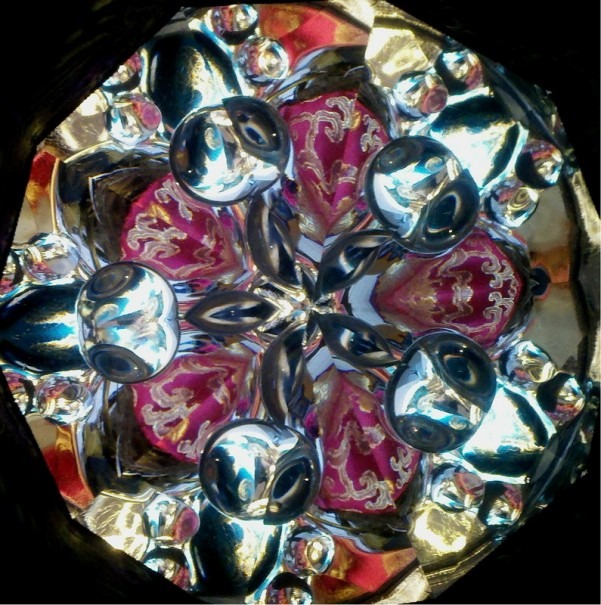
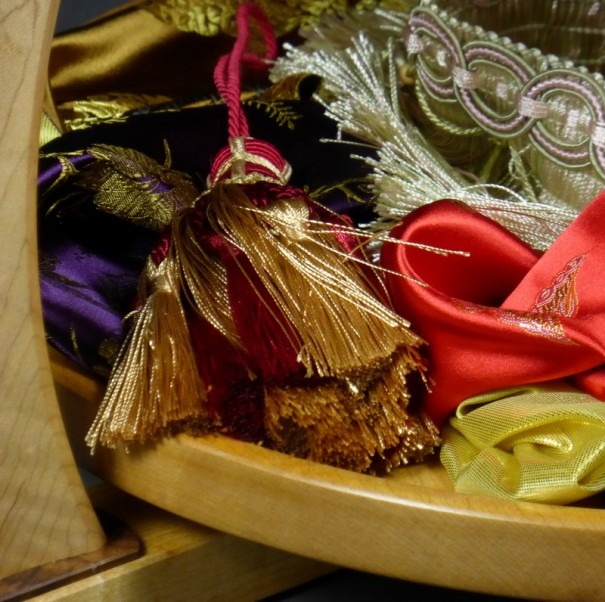
The honest answer is that most serious collections end up using both approaches. Handheld pieces with accompanying stands for interactive use and personal engagement. Stand-mounted instruments for formal presentation, preservation, and the kind of display that treats the kaleidoscope as the art object it is.
The question worth asking when acquiring a new piece is what you actually want from it. If the answer is that you want to use it regularly and share the experience with people, a handheld design with a quality stand gives you that. If the answer is that you want to display something exceptional in a way that does justice to the craftsmanship, a purpose-built mounting solution makes more sense.
Steve Gray’s pieces are designed with both possibilities in mind. Take a look at the gallery to get a sense of how different instruments suit different display approaches.