Steve Gray Kaleidoscopes makes objects that reward slow looking. A kaleidoscope is both an optical instrument and a piece of sculptural craft; when made by hand from mixed media and exotic materials it becomes an individual artwork. This article explains what we make, why our pieces are intentionally unique, how oil-filled and dry styles differ, and how to commission a custom piece or participate in our classes and collaborations.
What sets Steve Gray’s work apart
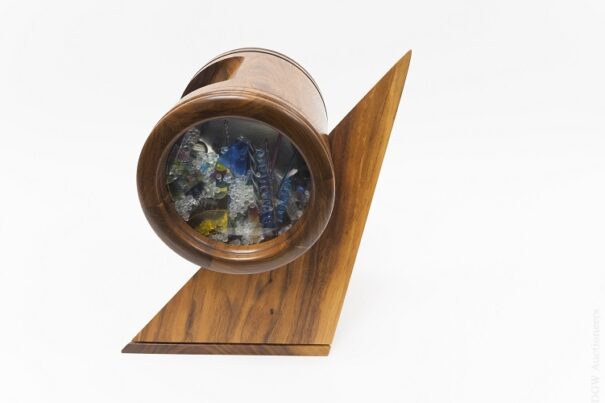
Steve creates handmade kaleidoscopes and kaleidosculptures (including limited-edition runs) using mixed media and fine woodworking. Materials such as exotic woods, filigreed steel and brass, copper, glass, mirror, acrylic and found objects are combined to produce optical chambers and external forms that are as carefully considered as they are tactile.
- Standard handmade kaleidoscopes: Individually built instruments that emphasize woodcraft and optical balance.
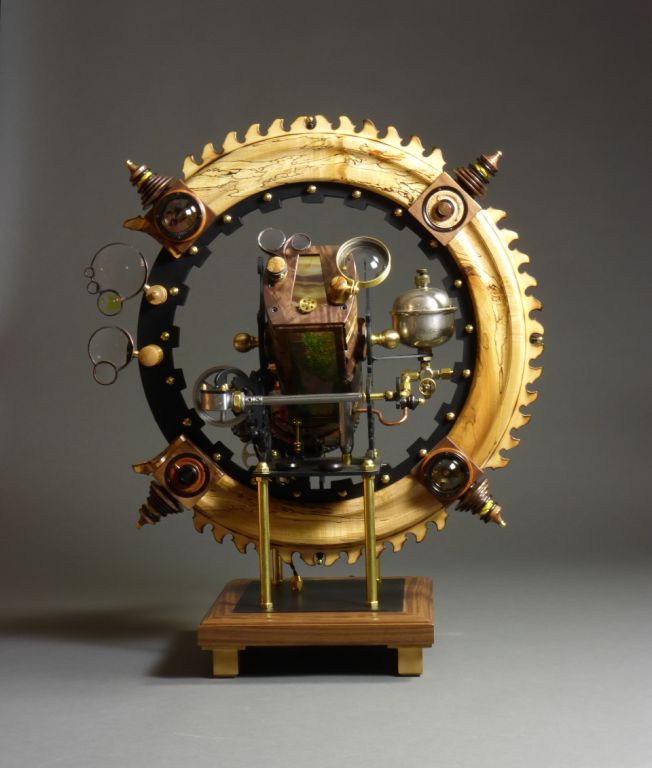
- Kaleidosculptures and limited editions: Pieces that blur sculpture and instrument, produced in small runs – notably the “Dragon’s Lair” edition, limited to only five kaleidosculptures.
- Workshops and demonstrations: Hands-on classes in kaleidoscope-making, plus artist talks and public demonstrations that expose technique and material choices.
- Collaborations and commissions: Collaborative sculpture projects with other artists and made-to-order commissions tailored to a client’s aesthetic and space.
Why no two pieces are alike, and why that matters
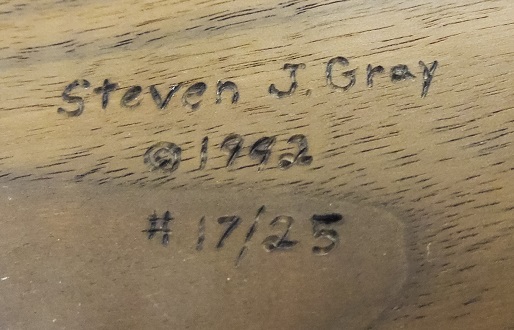
Uniqueness is intentional. We prioritize variation in materials, internal object cells, and mirror geometries so that each viewing experience is distinct. Found objects and hand-selected elements introduce serendipity; wood grain and metal filigree produce one-of-a-kind exteriors. The result is not a defect but the very point of handcrafted kaleidoscopes: each piece offers an exclusive visual and tactile conversation between maker, material, and viewer.
Oil-filled vs. dry kaleidoscopes: choosing an aesthetic
One of the first decisions when engaging with our work is whether to choose an oil-filled or a dry optical chamber. Oil-filled scopes often produce a slower, more fluid motion and a painterly blending of colors; they invite contemplative viewing. Dry scopes emphasize crisper, faster morphing patterns and a graphic clarity that feels more kinetic. Both approaches are valid aesthetic choices; selecting between them depends on whether you prefer gentle, meditative change or bright, dynamic geometry.
How commissions and collaborations work
We accept custom and commissioned kaleidoscopes and kaleidosculptures. Clients are invited to collaborate on materials, scale, and optical character. They can choose between oil-filled or dry designs, select woods and metalwork, and specify special inclusions when appropriate. The process is collaborative by design: Steve works with clients to translate an idea into a studio drawing and then into the physical object, with updates along the way so expectations about form and finish are aligned.
Commissions are a way to realize site-specific ideas or to acquire a truly singular object. Our classes and workshops offer an alternative route for makers who want to learn technique firsthand or to build their own instruments under guidance.
Practical takeaways for collectors and makers
- Decide first what experience you want: meditative fluidity (oil-filled) or graphic motion (dry).
- If uniqueness is important, consider limited editions and custom commissions where material selection is collaborative.
- Participate in a workshop to understand optical construction before commissioning a large piece.
- Look for mixed-media detailing: exotic woods, filigreed metalwork, and found-object cells. These are indicators of a handcrafted approach.
Conclusion
Handmade kaleidoscopes combine technical precision with the unpredictability of craft. Steve’s work is rooted in material choice and optical intent: every piece is designed to be seen and handled, to reveal something new with each viewing. Whether you collect limited editions, commission a one-off sculpture, or learn the craft in a workshop, the experience is designed to deepen your relationship with seeing.
If you want to explore available pieces, learn about upcoming classes, or discuss a commission, reach out. We’re ready to talk through materials, optical style, and how a custom piece could fit your collection or space.