The range of prices in the artisan kaleidoscope market surprises most people when they first encounter it. Fine handcrafted pieces start around $300 and the upper end of the market runs well into the thousands, with historically significant examples at auction achieving prices that put them firmly in the company of serious decorative art.
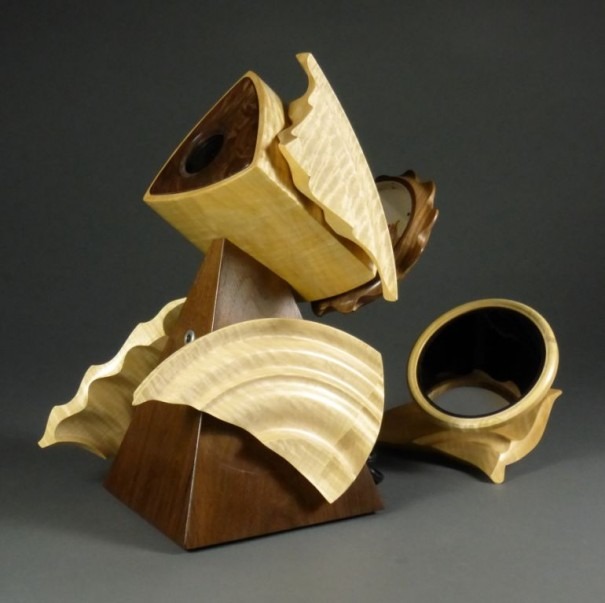
That pricing is not arbitrary. There is a logic to it, and understanding what drives value in this market makes it much easier to evaluate a piece and decide whether the asking price reflects something real.
Artist reputation is the biggest single factor
In any art market, the maker’s reputation carries weight, and kaleidoscopes are no exception. Exhibition history, juried show recognition, gallery representation, and evidence of sustained artistic development all contribute to how collectors assess an artist’s work.
Technical range matters here too. Artists who work across multiple disciplines (eg. woodworking, glassblowing, metalworking) can create pieces that a single-medium maker simply cannot. That combination of skills shows up in the work, and collectors recognize it. The artists who tend to command the highest prices are those who can demonstrate genuine creative development over time rather than consistent production of a reliable formula.
Rarity and edition size
The kaleidoscope collecting community uses a structured rarity scale that runs from common through available, uncommon, scarce, rare, very rare, and unique. Where a piece sits on that scale has a direct relationship to what collectors are willing to pay for it.
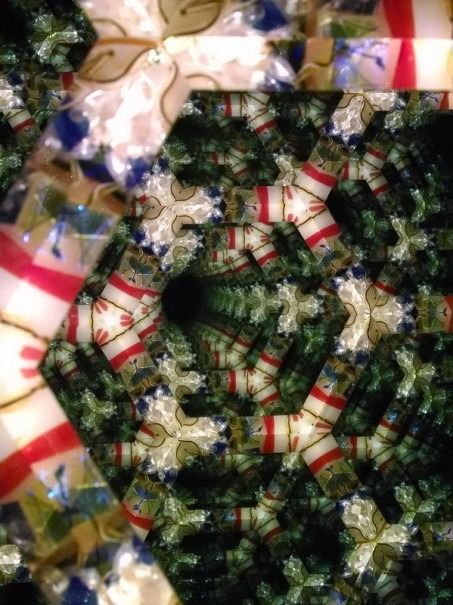
For contemporary work, edition size is the main lever. Artists who restrict production runs to small numbers tend to see their work appreciate more consistently than those with larger editions. This is not unique to kaleidoscopes. The same principle operates across virtually every art collecting category, but it is worth understanding when evaluating a contemporary piece.
Condition and provenance
Condition categories in this market run from new through mint, excellent, collectible, and enjoyable. The distinctions matter because they directly affect both current value and appreciation potential. A piece in mint condition with perfect optics is worth considerably more than the same piece showing wear, and that gap tends to widen rather than narrow over time.
Provenance adds a different kind of value. First-owner pieces, documented previous ownership by known collectors, and museum deaccessions all carry premiums that reflect the confidence buyers place in a clear history. As pieces change hands over time, documentation becomes increasingly important. A well-documented piece is simply easier to sell and easier to price with confidence.
On the technical side, optical system integrity is non-negotiable. Mirror alignment needs to be precise, the object cell intact, and the viewing experience clear and fully symmetrical. Technical flaws reduce both current market value and appreciation potential in ways that exterior wear alone does not.
Materials and construction quality
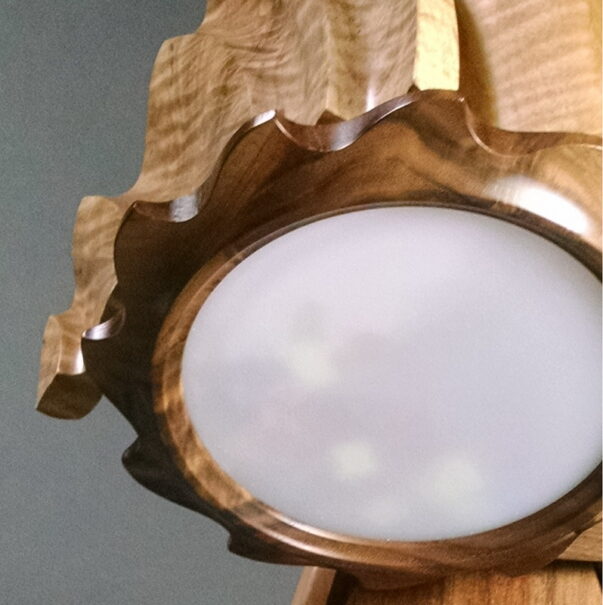
Premium materials provide tangible justification for premium pricing in ways that collectors can see and feel. Exotic hardwoods, hand-selected stained glass elements, and precision-engineered mechanisms all signal that serious time and skill went into the piece. These are not decorative choices — they affect the viewing experience directly and they affect how the instrument holds up over decades of use and handling.
The quality of the woodworking is often the easiest place to read overall construction standards. Clean joinery, a smooth rotation mechanism, and a well-applied finish suggest that the same care extended to the optical components. Shortcuts in the exterior tend to correlate with shortcuts inside.
What this means in practice
For collectors entering this market, the most reliable approach is to prioritize established artists with documented exhibition histories, pieces in excellent or better condition, and clear provenance where possible. Those three factors together provide the strongest foundation for both aesthetic enjoyment and long-term value retention.
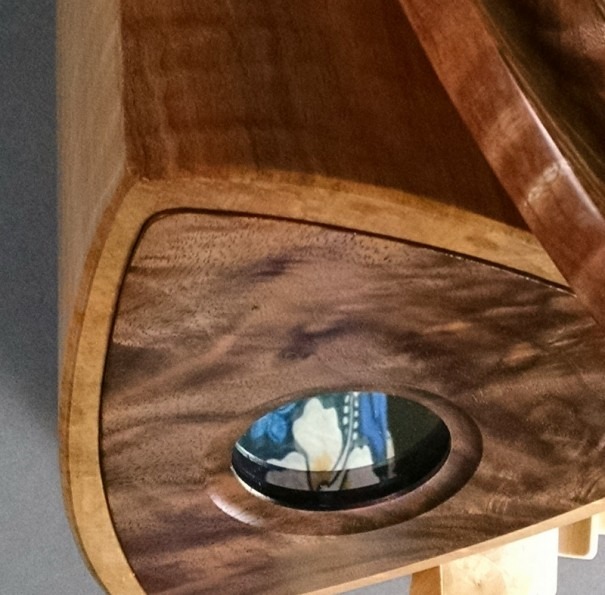
The secondary market for quality artisan kaleidoscopes is active enough to confirm that these are genuine investments rather than speculative ones. Pieces by recognized artists in documented condition hold their value and, for the best examples, appreciate in ways that compare favorably with other decorative art categories.
Take a look at the Steve’s Etsy store to see examples of the material quality and craftsmanship that the collector market rewards.